

Light as Information
Phototherapy & Circadian Wellness
Not a drug. Not a quick fix. Not another passing trend.
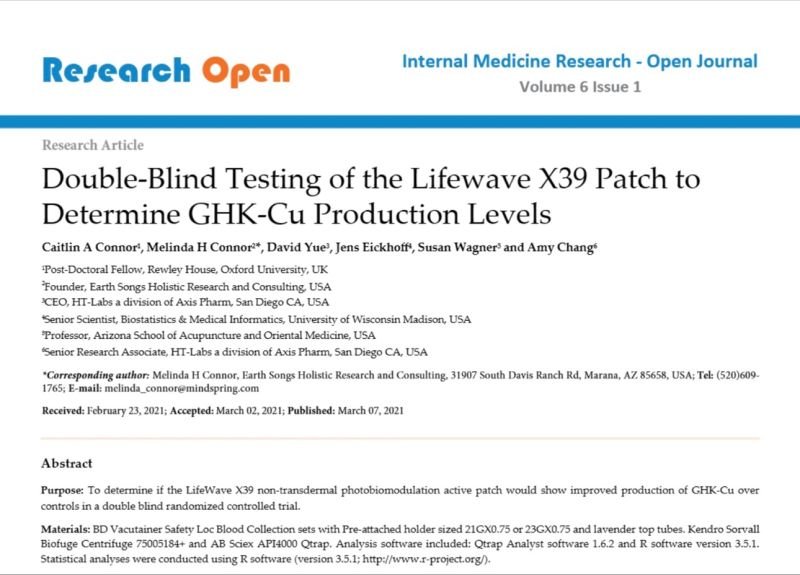
The science of light continues to reveal just how deeply our bodies respond to specific wavelengths and rhythms. Research suggests certain frequencies of light may help support the body’s own regenerative processes, including the natural production of compounds like GHK-Cu, often called a “regenerative peptide” for its role in repair and recovery.
Phototherapy offers a non-invasive way to support the body through light-based signaling designed to work with the body’s natural systems, not against them.
What is Phototherapy?
✳︎
What is Phototherapy?
✳︎
What is Phototherapy?
✳︎
What is Phototherapy? ✳︎ What is Phototherapy? ✳︎ What is Phototherapy? ✳︎
PhototherapyLight Is More Than Illumination — It’s Information
Modern life has dramatically changed our relationship with light. We spend more time indoors, under artificial lighting, disconnected from many of the natural rhythms that once helped regulate human health.
Most people are told the sun simply “gives” us vitamin D. But the body doesn’t absorb vitamin D directly from sunlight alone — it responds to specific frequencies of light that signal important biological processes to take place.
Light helps communicate information to the body, influencing things like vitamin D production, circadian rhythms, sleep, hormones, energy, mood, and cellular function. In many ways, the body is constantly listening and responding to light cues from the environment around us.
This idea is far from new. Ancient civilizations understood the relationship between light and health long before modern technology began studying it more closely. The Egyptians used filtered sunlight therapeutically, while the Greeks explored how different wavelengths and exposures affected the body and mind.
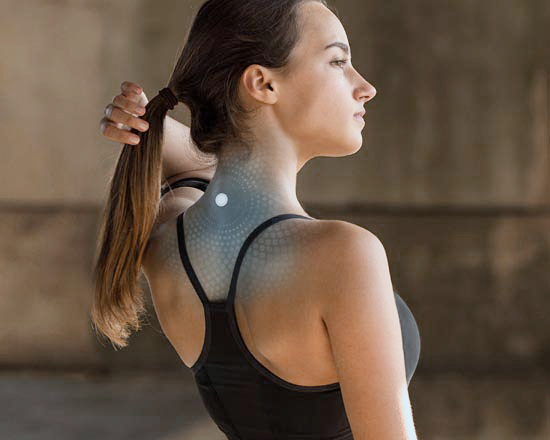
Phototherapy builds on this understanding — using specific frequencies of light to support the body in a gentle, non-invasive way. Rather than forcing the body to work harder, light-based therapies aim to work with the body’s natural design and rhythms already built into it.

What is Phototherapy? →
Your Body Is Constantly Responding to Light
The human body naturally emits heat and infrared light every moment of the day. In many ways, we are designed to both receive and respond to light-based information.
Photobiomodulation, the term often used for phototherapy, is built on the understanding that specific wavelengths of light can interact with living tissue in a gentle, non-invasive way. Not by burning the body or forcing it into a reaction, but by providing signals the body already knows how to respond to.
This process has been explored across thousands of research papers studying how cells respond to light-based signaling and how specific frequencies may support energy production, recovery, circulation, and overall cellular function.
Nothing is injected.
No chemical is added to the body.
Phototherapy simply works through light, using carefully selected wavelengths to support the body’s natural communication systems and rhythms already built into it.
The Benefits of Phototherapy & GHK-Cu for Everyday Wellness
Phototherapy works by using specific wavelengths of light to support the body’s natural communication and repair processes. Rather than forcing the body to do something unnatural, light helps signal systems that were already intelligently designed to respond.
The result? Support for the body’s own restorative processes, including energy production, recovery, cellular function, and overall wellbeing.
phototherapy has been shown to provide a number of benefits, including:
Enhance Sports Performance
Increased Energy and Vitality
Faster Recovery From Exercise
Improve Mental Clarity
Rapid Relief and Reduced Inflammation
Improved Skin Appearance

There’s nearly a 60% decline happening gradually over time; many people simultaneously notice slower recovery, lower energy, increased inflammation, and a body that no longer seems to “bounce back” the way it once did.
Research suggests natural GHK-Cu levels decline significantly with age:
Around age 20 → approximately 200 ng/mL
Around age 60 → approximately 80 ng/mL
GHK-Cu is a naturally occurring copper peptide studied for its role in cellular repair, regeneration, recovery, and overall tissue health, which is one reason growing interest exists around approaches that may help support the body’s own production pathways naturally.
WHAT TO EXPECT
24-48 Hours
some people notice subtle shifts in how they feel: sleep quality, energy, or a sense of calm. others feel nothing yet. both are normal.
Weeks 1-4
this is when most people start noticing something consistent. energy. recovery. and sleep tend to be the first things people mention.
3-6 Months
physical changes often become more visable: skin, hair, body composition and how you feel in your body day to day.
Weeks 6
brain and energy patterns often become more noticeable here. mental clarity, mood steadiness, and physical reliance are common themes.
6-12 Months
long-term users often describe this as when things compound. the body’s response to consistent signaling builds on itself over time.
GHK-CU the "glow" peptide discovered by pickart
The naturally occurring peptide GHK (glycyl-L-histidyl-L-lysine) plays a significant role in supporting various biological processes that promote overall health and regeneration. Research indicates that GHK encourages the growth of blood vessels and nerve tissue while enhancing the production of collagen, elastin, and glycosaminoglycans. It also helps maintain the activity of dermal fibroblasts, which are essential for keeping skin healthy and resilient.
Studies have shown that GHK contributes to improved tissue repair throughout the body, including the skin, lung connective tissue, bones, liver, and stomach lining. In addition to supporting regeneration, GHK demonstrates powerful cell-protective properties. These include anti-inflammatory effects, protective benefits for lung tissue, and the restoration of fibroblasts affected by chronic obstructive pulmonary disease (COPD).
GHK also plays an important role in slowing processes linked to aging. It has been observed to suppress molecules such as NF-κB, which are associated with the progression of age-related diseases. Furthermore, research suggests that GHK can support DNA repair, reduce anxiety, pain, and aggressive responses, and assist the body in clearing damaged cellular components through activation of the proteasome system, the body’s natural cellular cleansing mechanism.
Recent genetic studies provide further insight into the remarkable potential of GHK, revealing that this single molecule can influence multiple biochemical pathways, helping explain its broad healing and protective capabilities.

collagen and elastin synthesis: dermal fibroblast support and skin structural integrity
nerve and blood vessel tissue growth in research models
maintenance of tissue in the skin, lung connective tissue, bones, liver, and stomach lining
anti-inflammatory properties observed in cellular research
protective effects on lung tissue studied in COPD-affected fibroblasts
modulation of NF-κB: a molecule associated with age-related biological processes
DNA repair pathway support in cellular studies
proteasome activation: the body's natural cellular cleanup system
gene expression influence across 4,000+ human genes in one large-scale analysis
source: pubmed.ncbi.nlm.nih.gov: search "GHK-Cu" for the full body of published research.
WHAT THE RESEARCH EXPLORES:
areas of GHK-Cu study
Curious about tools that may help support these foundations?
I personally use and recommend a specific phototherapy device that aligns with the approach shared here. If you’d like to learn more or see whether it may be a good fit for your goals, please reach out!